5 Flooring Choices Designers Say Homeowners Often Regret — And the Most Expensive One Tops the List


A beautiful floor can transform a room, making it feel warmer, brighter, and more inviting. But choosing the wrong material can turn that initial excitement into years of frustration.
Unlike paint colors or furniture, flooring is not something most homeowners can easily replace when they change their minds. Installation can be expensive, disruptive, and time-consuming, especially when the material needs to be removed before a new one can go down.
And some flooring options that look stunning in a showroom can be surprisingly difficult to live with.

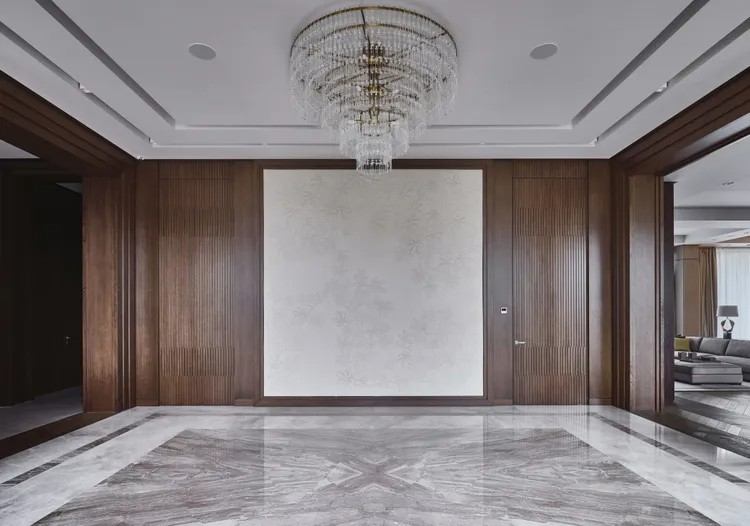
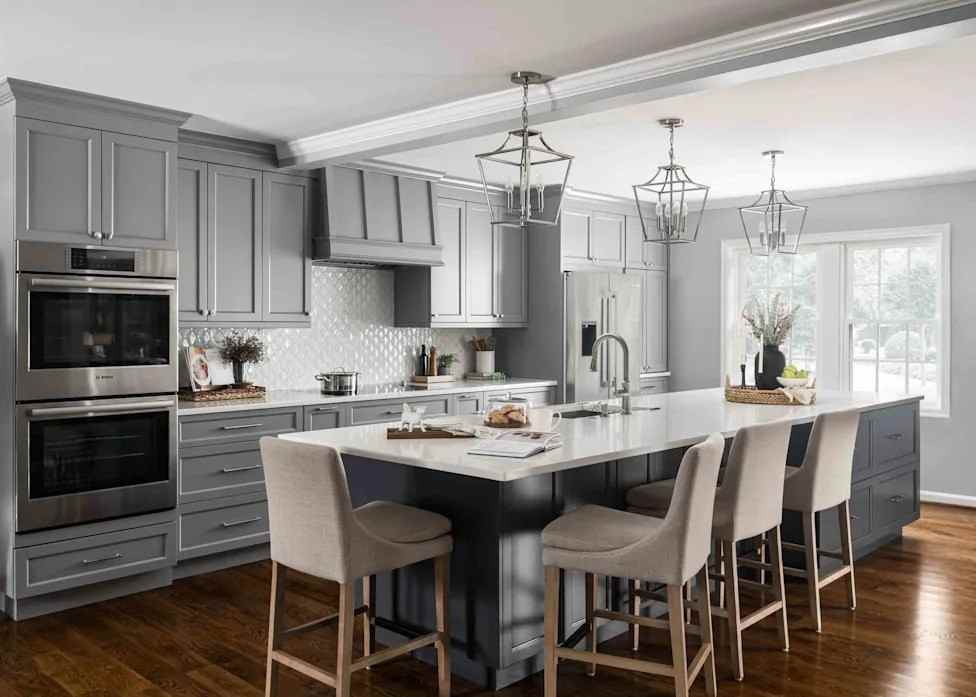
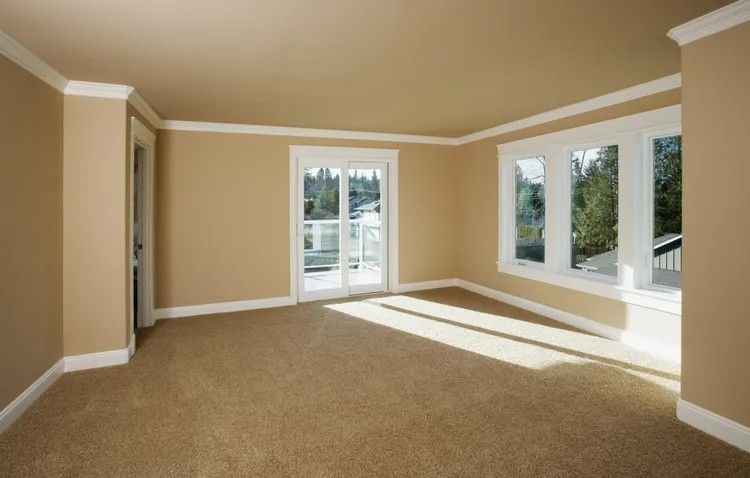
From high-maintenance natural stone to inexpensive wood-look alternatives, certain choices deserve a closer look before you commit. Here are five flooring options worth thinking twice about, along with practical alternatives that can help you avoid an expensive renovation mistake.
1. Polished Marble That Requires Constant Attention
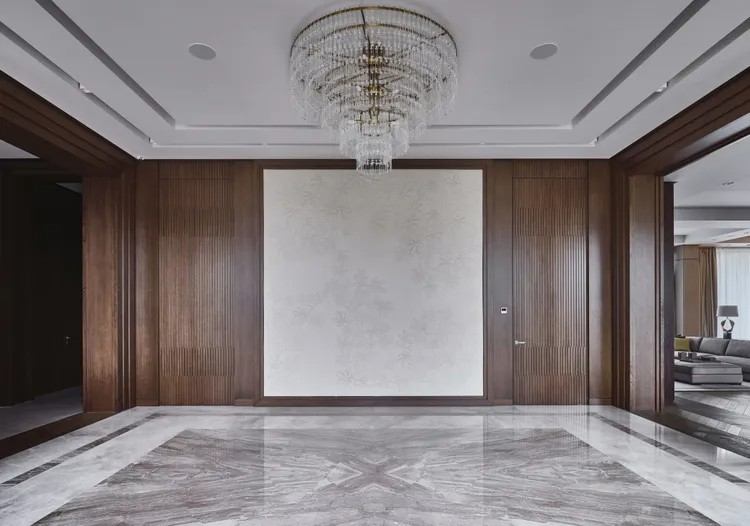
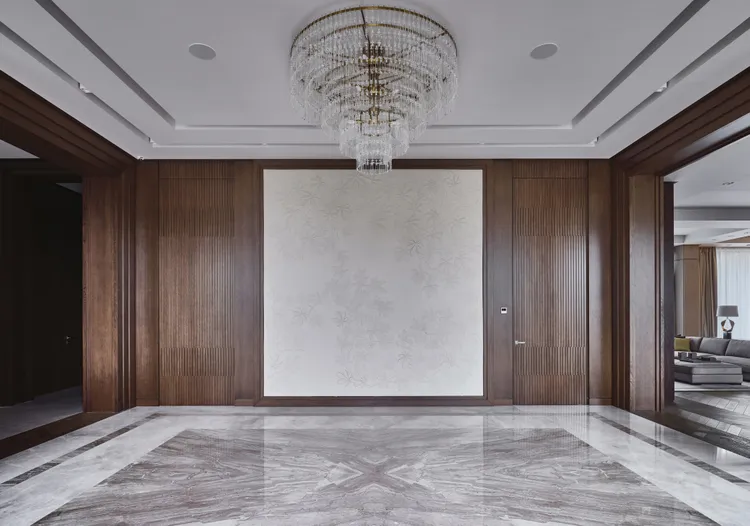
Few flooring materials make an impression quite like polished marble. Its natural veining, reflective surface, and timeless appearance can give an interior an unmistakably elegant feel.
The problem becomes apparent when everyday life gets involved.
Marble is a natural stone that can react with acidic substances. Lemon juice, vinegar, wine, and some household cleaners can leave dull marks known as etching. Even when the surface is properly sealed, sealing does not make marble completely resistant to acidic spills or scratches.
In busy areas such as kitchens, hallways, and dining rooms, maintaining that pristine finish can become a constant task.
The financial commitment is another consideration. Natural marble can involve substantial material, installation, and maintenance costs. If the finish becomes badly damaged, restoring it may require professional treatment.
A smarter alternative: If you love the appearance of marble but want something easier to maintain, consider high-quality porcelain tiles with a marble-effect finish. They can reproduce much of the visual appeal without the same sensitivity to everyday spills.
2. Real Hardwood Flooring in Kitchens and Bathrooms
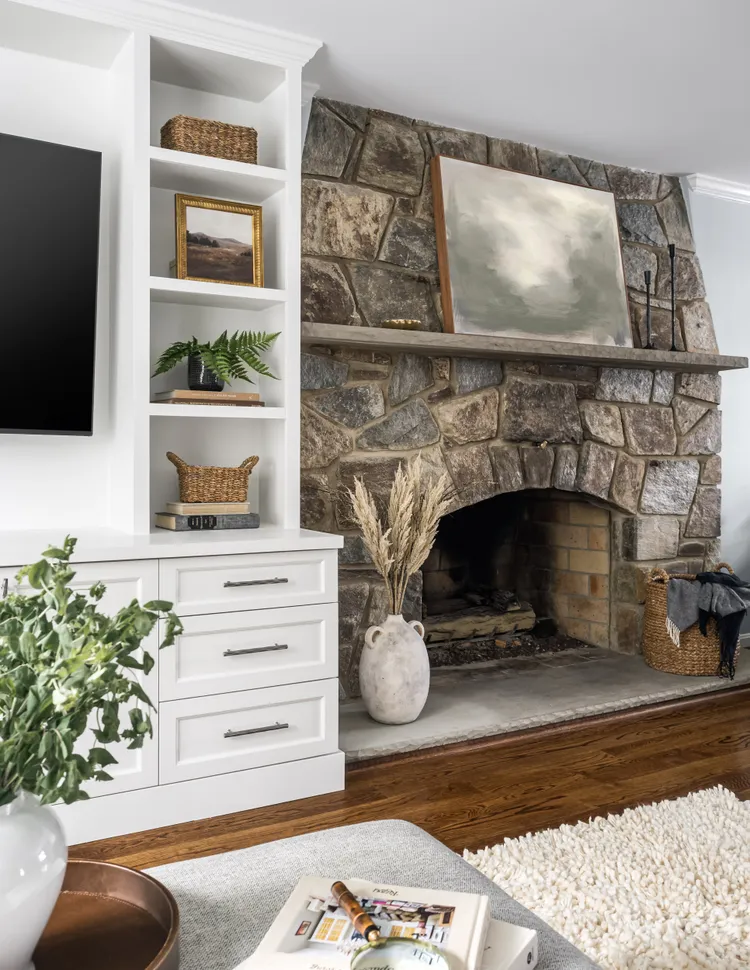
Hardwood flooring brings warmth and character to almost any interior. It also creates a sense of continuity when the same material runs through several rooms.
However, kitchens and bathrooms introduce a challenge that wood does not always handle well: moisture.
A leaking dishwasher, an overflowing sink, or water left unnoticed around a bathtub can cause hardwood boards to swell, warp, or develop discoloration. Changes in humidity can also affect the material over time.
This does not mean hardwood can never work in a kitchen. Some engineered wood products are designed to offer better dimensional stability, and suitable protective finishes can help. But no wood floor should be treated as waterproof.
Bathrooms are particularly demanding because humidity and repeated exposure to water create additional risks.
A smarter alternative: Porcelain tiles with a wood-effect finish can provide a similar visual result in moisture-prone areas. You can still use genuine hardwood in living rooms and bedrooms, creating a coordinated look without exposing every room to the same maintenance demands.
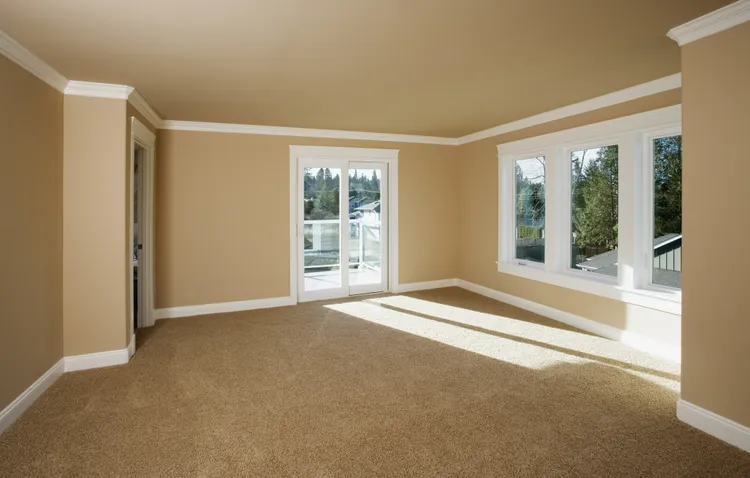
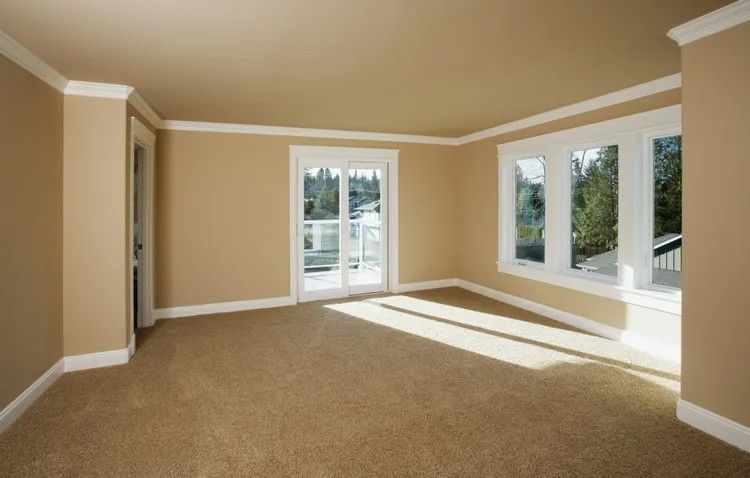
3. Wall-to-Wall Carpet in High-Traffic Areas
Carpet has obvious advantages. It feels soft underfoot, absorbs sound, and can make a bedroom or living space feel more comfortable.
But placing it in every room is not always practical.
Hallways, entrances, and busy family areas collect dirt quickly. Foot traffic gradually wears down the fibers, while spilled drinks, food, and muddy shoes can leave stains that are difficult to remove completely.
Carpet can also trap dust, pet hair, and other particles, making regular vacuuming and periodic deep cleaning particularly important.
For households with pets or people sensitive to indoor allergens, this maintenance can become frustrating.
A smarter alternative: Consider hard flooring in high-traffic areas and use removable rugs where you want additional softness. Rugs are easier to clean, replace, or move when your decorating preferences change.
4. Cheap Laminate and Vinyl That Imitate Wood
Budget-friendly flooring can be an excellent solution, particularly when renovating several rooms at once. The mistake is assuming that every inexpensive product will deliver the same appearance and durability.
Low-quality laminate and vinyl can reveal their limitations relatively quickly. Repeated decorative patterns may make the floor look artificial, while weak wear layers can leave the surface vulnerable to scratches and visible damage.
Some products may also have poorly finished edges or an underfoot feel that does not match the appearance homeowners expected.
It is important to distinguish between inexpensive flooring and well-made affordable flooring. Modern luxury vinyl and quality laminate products can perform very well when selected for the right environment.
A smarter alternative: Look beyond the price per square meter. Check the wear-layer specifications, water-resistance claims, warranty, installation requirements, and number of different surface patterns. If possible, request a larger sample and examine it in natural light before making a decision.
5. Microcement and Resin Installed Without Proper Preparation
Seamless floors have become popular in contemporary interiors because they create a clean, minimalist appearance without traditional tile joints.
Microcement and resin can look particularly impressive in open-plan living spaces, kitchens, and modern bathrooms.
However, the final result depends heavily on preparation and installation.
An unstable substrate, inadequate surface preparation, or incorrectly applied protective coating can lead to cracks, discoloration, peeling, or uneven finishes. Problems may be difficult to repair without leaving visible differences between the original surface and the repaired area.
These materials are not necessarily a poor investment. The risk comes from choosing an inexperienced installer or underestimating the technical requirements.
A smarter alternative: Before signing a contract, ask to see completed projects that have been in use for several years. Discuss substrate preparation, expansion joints, waterproofing where necessary, protective coatings, and the manufacturer’s maintenance recommendations.
How to Choose Flooring That Works for Your Home
The best flooring is not necessarily the most expensive or the most fashionable. It is the one that fits the way you actually live.
Before choosing a material, consider these factors:
- Pets and children: Scratches, spills, and frequent cleaning should influence your decision.
- Natural light: Very dark floors can make smaller or poorly lit rooms feel less spacious.
- Maintenance: Be realistic about how much time you want to spend cleaning and protecting the surface.
- Moisture: Kitchens, bathrooms, and entrances require materials suited to occasional or frequent exposure to water.
- Installation costs: Include preparation, labor, underlay, trims, and removal of existing flooring in your budget.
- Long-term durability: A cheaper floor that needs replacing sooner may cost more over its lifetime.
It is also worth remembering that different rooms do not necessarily need identical flooring. A carefully coordinated combination of porcelain tile, engineered wood, or quality vinyl can create a consistent appearance while respecting the practical requirements of each space.
Five Things to Check Before Buying a New Floor
A sample that looks perfect under showroom lighting may appear completely different at home. Before making a final decision, take these precautions:
- Request larger samples. Small samples rarely show the full variation in color, grain, or texture.
- Check them in different lighting. Look at the material during daylight and again in the evening.
- Read the technical specifications. Pay attention to wear resistance, water resistance, slip resistance, and compatibility with underfloor heating.
- Ask for a detailed installation quote. Make sure preparation, labor, trims, transportation, and waste disposal are included.
- Keep spare material. Extra tiles or planks from the original production batch can be valuable if repairs become necessary later.
One final detail is particularly important: the condition of the subfloor. Even a premium flooring product can develop problems if the underlying surface is uneven, damp, or improperly prepared.
Frequently Asked Questions
What is the easiest flooring to maintain?
Porcelain tile is one of the most practical options for many households. It is resistant to moisture, stains, and everyday wear, although the exact performance depends on the product and finish. It is particularly useful in kitchens, bathrooms, and entrances.
Is hardwood flooring a bad choice for kitchens?
Not necessarily. Properly selected and maintained hardwood can work in some kitchens, but it requires more attention to spills and moisture than porcelain tile. Homeowners who prefer a lower-maintenance option may want to consider wood-effect porcelain.
Is expensive flooring always better?
No. Price alone does not guarantee durability or suitability. Installation quality, maintenance requirements, technical specifications, and the conditions in which the floor will be used are equally important.
Can new flooring be installed over an existing floor?
Sometimes. The existing surface must be stable, sufficiently level, and suitable for the new installation system. Door clearances, transitions between rooms, and moisture conditions should also be checked before work begins.
The Bottom Line
The biggest flooring mistake is choosing a material based only on how it looks in a photograph or showroom.
Marble, hardwood, carpet, laminate, and seamless finishes can all be excellent choices in the right setting. Problems arise when their maintenance requirements, limitations, and installation costs are overlooked.
Before committing to a new floor, think beyond the first impression. Consider how the material will look after years of foot traffic, spills, furniture movement, and everyday use.
A floor should make your home easier and more enjoyable to live in, not become another expensive project you wish you had approached differently.